The Role of Problem-Based Learning in Evolving Education in Gurgaon
Problem-Based Learning (PBL) is rapidly replacing traditional rote learning methods in Gurgaon schools. The best schools in Gurgaon have actively developed their teaching methodologies around this learning approach. This new and improved style of learning lets students actively engage in solving complex, real-world problems, encouraging their natural curiosity to shine and help them find creative solutions. The aim is for PBL to help develop students’ critical thinking, collaboration, and creative problem-solving skills, making learning more relevant and engaging. This article will discuss how PBL is being implemented in classrooms and its impact on student engagement and learning outcomes.
But first, let’s cover the basics of the Problem Based Learning Methodology

Key Principles of Problem-Based Learning
Emphasis on Student-Centered Learning
Problem-Based Learning (PBL) is fundamentally student-centered. This principle shifts the focus from teacher-led instruction to student-driven exploration and discovery. In PBL, students take charge of their learning journey, making decisions about how to approach the problem, what resources to use, and how to collaborate with peers. This autonomy fosters a deeper engagement with the material and encourages independent thinking.

Learning Through Real-World Problems
At the heart of PBL is the use of real-world problems as a medium for learning. These problems are typically complex, open-ended, and relevant to the students' lives or future careers. By grappling with these issues, students learn to apply theoretical knowledge to practical situations, enhancing their ability to transfer skills and knowledge to new contexts.

Development of Critical Thinking and Problem-c
PBL encourages students to think critically and solve problems creatively. Faced with a real-world problem, students must analyse information, identify key issues, and develop viable solutions. This process requires them to evaluate evidence, make judgments, and think strategically, skills that are invaluable in both academic and professional settings.

Collaborative Learning Environment
Collaboration is a cornerstone of PBL. Students typically work in groups to solve problems, which mirrors the collaborative nature of most professional environments. Through group work, students learn to communicate effectively, respect diverse perspectives, negotiate differences, and work collectively towards a common goal.

Reflective Learning Process
Reflection is an integral part of PBL. Students are encouraged to reflect on their learning process, the strategies they used, the challenges they faced, and the solutions they developed. This reflective practice helps students internalise what they have learned and understand how they can apply it in the future.

Integration of Multiple Disciplines
PBL often involves integrating knowledge and skills from multiple disciplines. Real-world problems rarely fit neatly into one subject area; they require a multidisciplinary approach. This integration helps students see the interconnectedness of different fields and understand the broader context of their learning.

Facilitator's Role in Guiding Learning
In PBL, the teacher or facilitator plays a crucial role in guiding and supporting students. Rather than imparting knowledge directly, the facilitator provides resources, asks probing questions, and helps students stay on track. This guidance is essential in helping students navigate the complexities of the problem and ensuring that the learning objectives are met.

How to Implement Project Based Learning in Classrooms
Step 1: Introducing the Problem
The facilitator introduces a real-world problem that is relevant and challenging. This problem should be complex enough to require critical thinking and collaboration. Students engage in an initial discussion to understand the problem's context and identify what they know and what they need to learn.

Step 2: Forming Learning Teams
Students are divided into small teams, ideally with diverse skill sets and perspectives. Within each team, students may take on specific roles (e.g., researcher, recorder, presenter) to distribute responsibilities and ensure active participation.

Identifying Learning Objectives
Each team discusses the problem to identify key issues and questions that need to be addressed. Teams set specific learning objectives based on their brainstorming, determining what knowledge and resources are required to solve the problem.

Step 4: Research and Information Gathering
Students individually or in groups research the problem, using a variety of resources such as books, academic journals, interviews, and online materials. Teams reconvene to share and discuss their findings, integrating individual research into a collective understanding.

Step 5: Developing Solutions
Based on their research and discussions, teams develop potential solutions to the problem. Solutions are critically evaluated for feasibility, effectiveness, and creativity.

Step 6: Presenting and Reviewing Solutions
Each team presents their proposed solutions to the class, explaining their rationale and the process they followed. Solutions are reviewed and critiqued by other teams, providing constructive feedback and alternative perspectives.

Step 7: Reflective Analysis
Students reflect on their learning process, considering what they learned, how they learned, and what they found challenging. Teams discuss their collaborative efforts, communication, and problem-solving strategies.
Step 8: Facilitator Feedback and Assessment
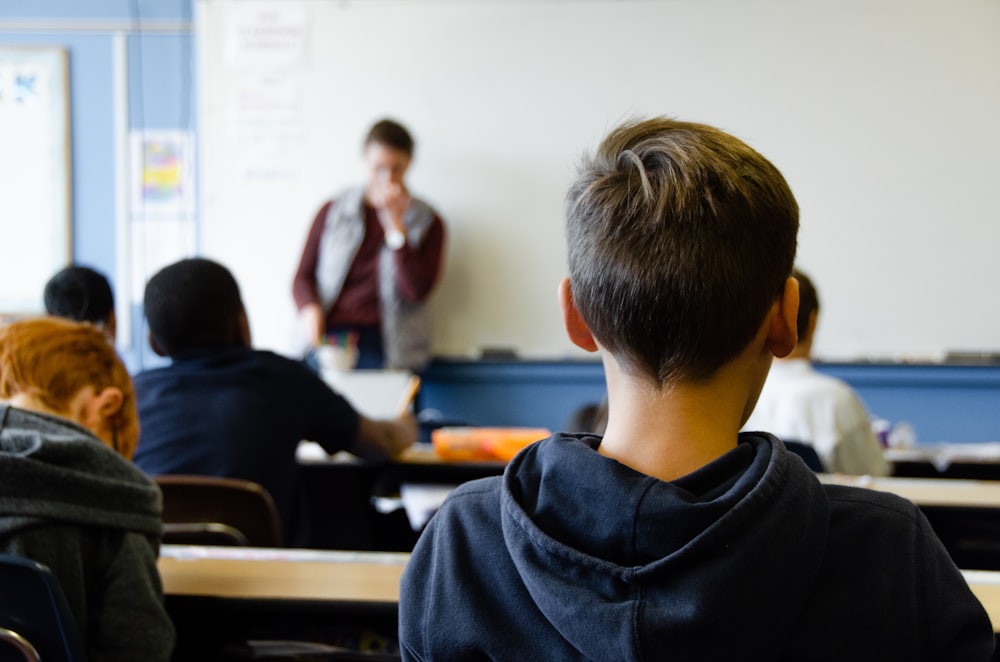
The facilitator provides feedback on both the process and the content, highlighting strengths and areas for improvement. Students are assessed based on their participation, problem-solving skills, and the quality of their proposed solutions.
Step 9: Application of Learning
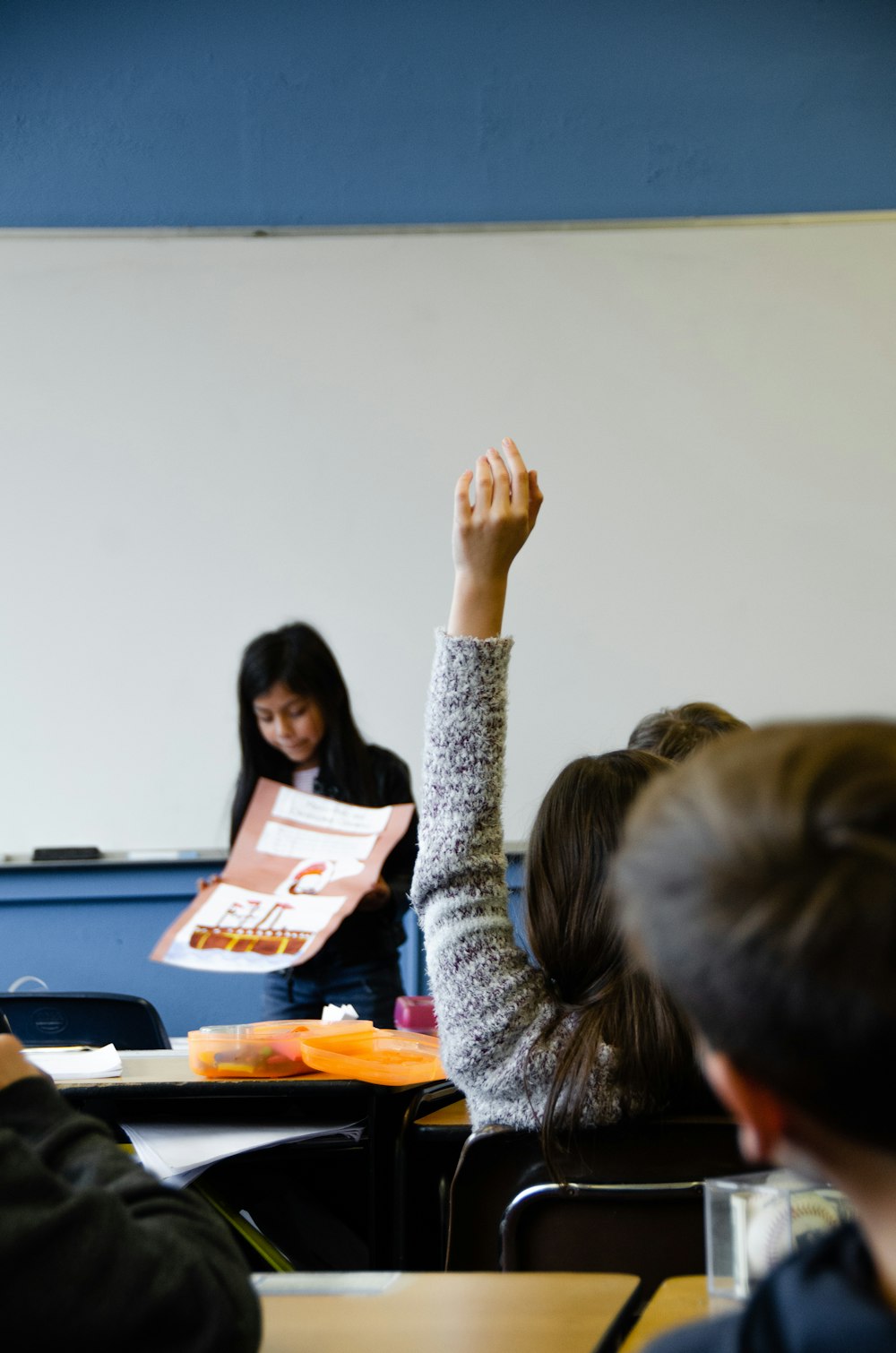
Students are encouraged to apply their newly acquired knowledge and skills to similar or extended problems, either in the classroom or in real-life scenarios.

Step 10: Iterative Learning
If necessary, the problem can be revisited with new information or perspectives, allowing for iterative learning and deeper understanding.

Conclusion
Problem-Based Learning represents a significant shift from traditional teaching methods, placing students at the centre of their own learning journey. The top schools of Gurgaon have already implemented this new and improved teaching methodology. Through the process of engaging with and solving real-world problems, PBL fosters a range of critical skills, including critical thinking, collaboration, research, and problem-solving. This educational approach not only enhances academic knowledge but also prepares students for the complexities and challenges of the real world.